
Kinesiology & McConnell Taping
Taping can be a helpful “assist” during recovery, especially when pain, swelling, or poor movement control is getting in the way of daily activity or exercise. At Eastern Shore Physical Therapy, we use taping techniques to support the right areas, improve comfort with movement, and help you stay active while you build long-term strength and stability.
Two common taping approaches you may hear about are kinesiology taping (flexible tape often used for support and swelling management) and McConnell taping (a more rigid technique often used to support alignment, commonly at the knee, especially with kneecap pain).
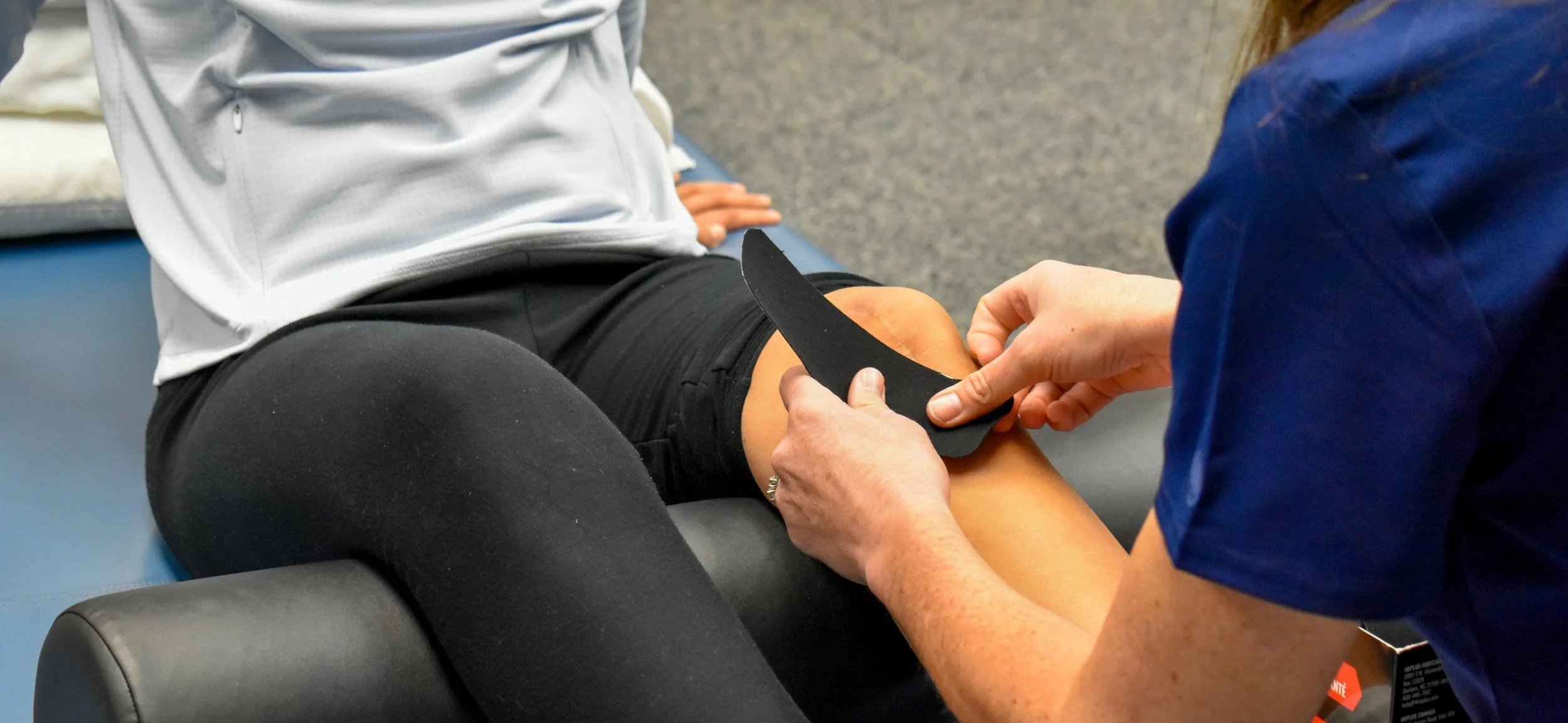
What Taping Can Help With
Short-term pain reduction during movement
Improved comfort with exercise or daily activity
A sense of support or stability during recovery
Swelling management (in some cases)
Movement “cueing” (helping the body move in a better pattern)
It’s important to know: research on kinesiology taping is mixed, and it’s generally considered a short-term tool, not a stand-alone solution.
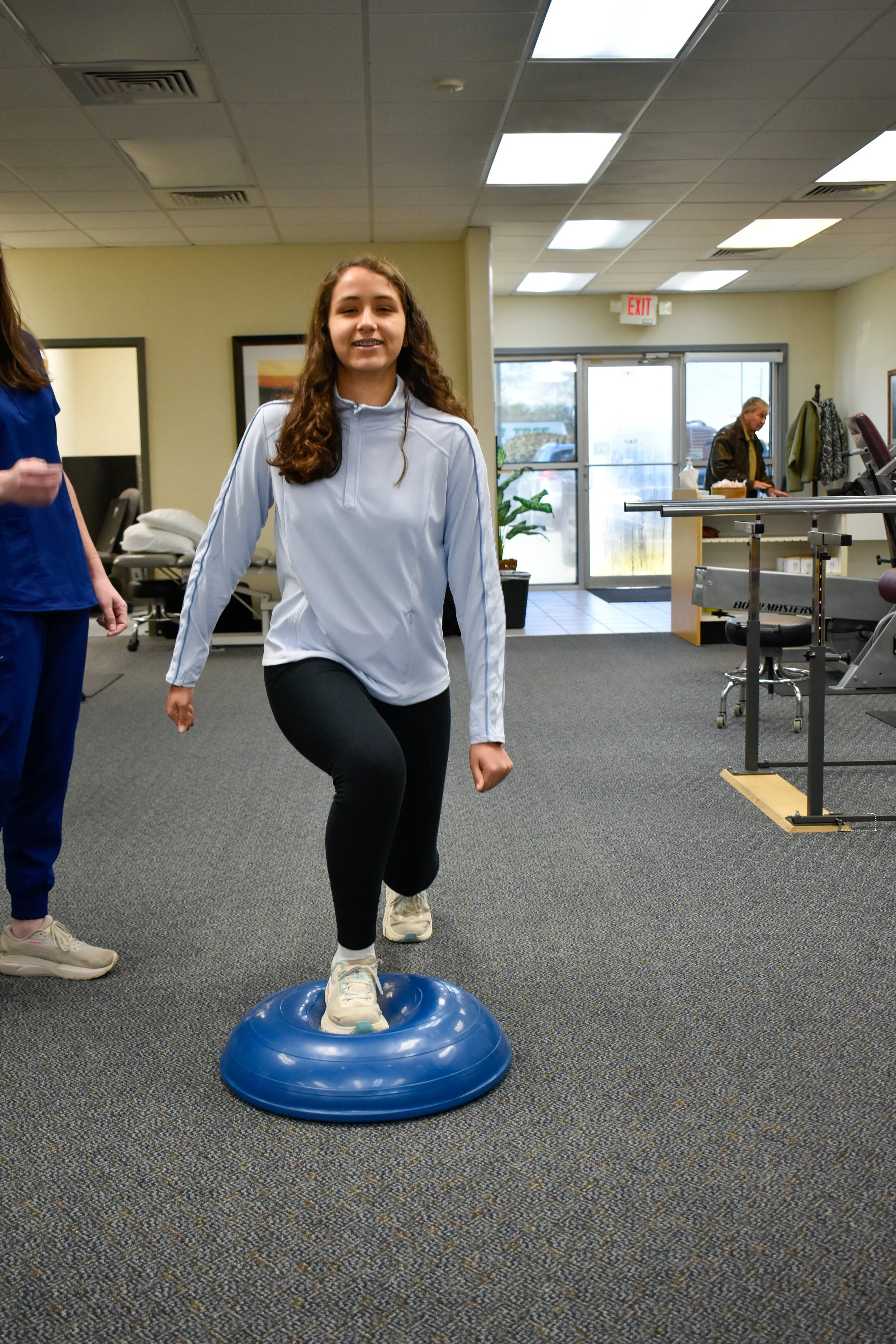
Why We Use It at Eastern Shore PT
Taping can help you move more comfortably now—so we can train lasting change with exercise.
Support During Activity
Taping can provide a light sense of support while you’re returning to movement and strengthening.
Swelling/Comfort Support When Appropriate
Kinesiology tape is sometimes used to support comfort and movement during recovery, depending on your needs.
Short-Term Pain Relief to Improve Function
For some conditions, taping can reduce pain enough to help you participate in rehab and daily life.
Personalized Application
We choose the method and placement based on your evaluation findings, then we reassess and adjust as you progress.
Helpful Early in Kneecap (Patellofemoral) Pain Rehab
Clinical guidelines note patellar taping along with exercise can improve short-term pain in patellofemoral pain.
What to Expect
If taping is a good fit for you, your therapist will:
Explain the goal of the tape (support, comfort, cueing, swelling reduction, etc.)
Apply the tape and test movement (walking, squatting, reaching, stairs—whatever matters most)
Teach you how to monitor your skin and when to remove it
Pair taping with exercises and a plan for progression
Most people can go about their normal day with tape on. Some mild skin irritation can happen—let your therapist know if you have sensitive skin or any history of adhesive reactions.
What to Expect
Who May Benefit
Taping may be helpful for patients dealing with:
Kneecap-related knee pain (patellofemoral pain), especially early in rehab
Overuse injuries where support helps you tolerate exercise
Joint irritation where movement “cueing” improves comfort
Swelling/irritation after activity (when appropriate)
Returning to sport or work when extra support helps confidence
Not everyone needs taping. We’ll recommend it only if it supports your plan and goals.
Long-Term Recovery
Taping is a tool—not the finish line. Our goal is to help you build results that last:
Strength, stability, and better movement patterns
Confidence with daily life and activity
A plan you can maintain even after taping is no longer needed
Taping may help you get moving more comfortably, but long-term improvement typically comes from progressive exercise and movement training.
Ready to get started?
Request an appointment today at one of our convenient locations in Daphne or Bay Minette.
DAPHNE CLINIC
6475 Van Buren St.
Daphne, AL 36526
Phone: 251-626-9052
Fax: 251-626-5384
Email: daphne@easternshore-pt.com
Monday: 8am – 5pm
Tuesday: By Appointment Only
Wednesday – Friday: 8am – 5pm
Saturday, Sunday: Closed
BAY MINETTE CLINIC
618 McMeans Ave.
Bay Minette, AL 36507
Phone: 251-937-4700
Fax: 251-937-4708
Email: bayminette@easternshore-pt.com
Monday – Thursday: 8am – 5pm
Friday: By Appointment Only
Saturday, Sunday: Closed
WHAT OUR PATIENTS SAY
These are wonderful, loving, caring people to be around. It’s never a dull moment with them…
—Alberta Williams