
Mobility Training
Mobility is more than flexibility—it’s your ability to move confidently through daily life. If walking, stairs, getting up from a chair, or keeping your balance feels harder than it should, mobility training can help you rebuild strength, stability, and movement control so you can move with less effort and more confidence.
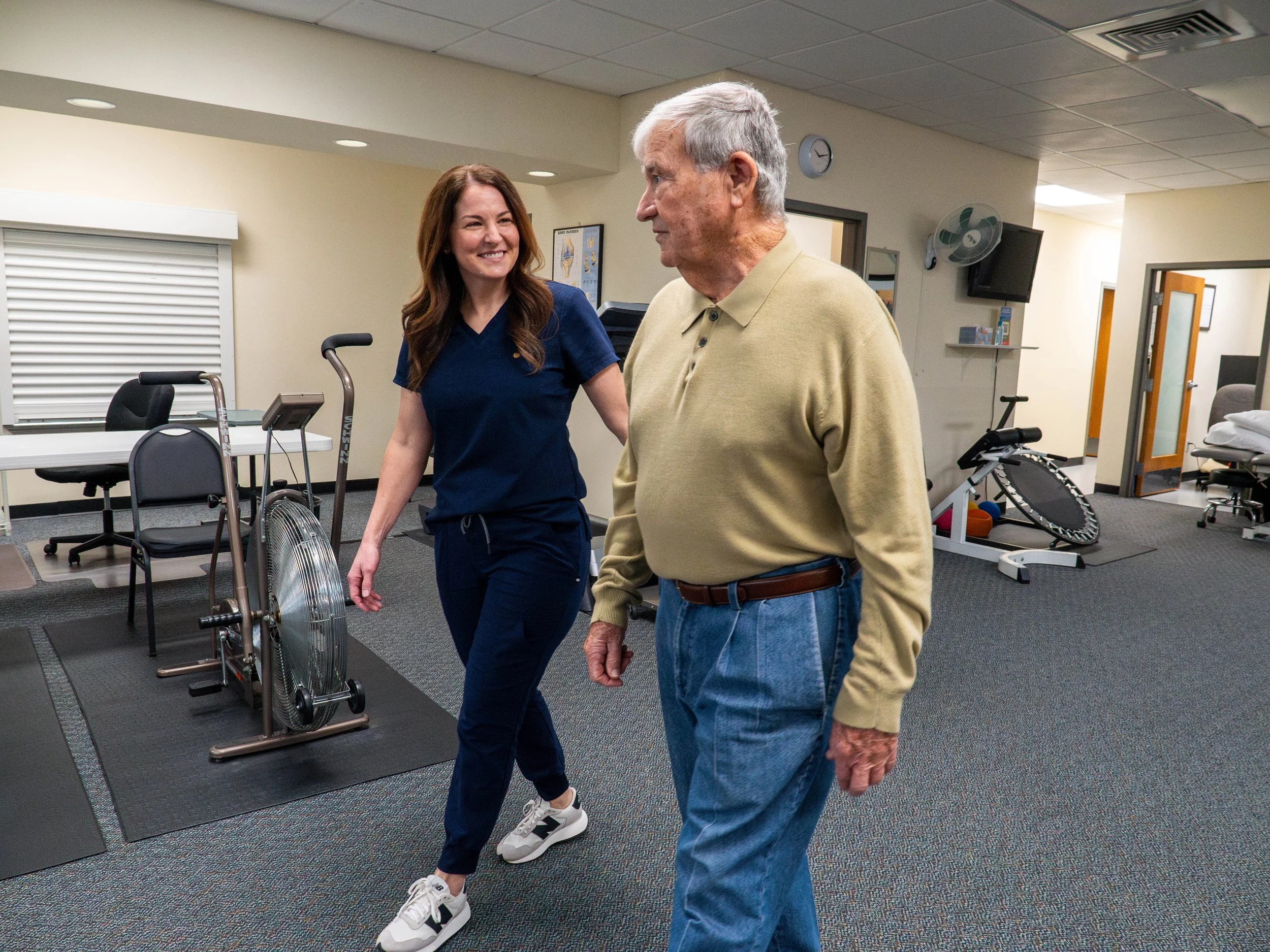
At Eastern Shore Physical Therapy, mobility training is practical and goal-based. We don’t just “exercise”—we train the movements you need for real life: walking safely, improving gait patterns, navigating stairs, and moving with better control.
What Mobility Training Is
Mobility training is a combination of movement training, strength, balance, and walking practice designed to improve how you move through everyday tasks. Physical therapists commonly address mobility issues by evaluating movement patterns and creating a plan to improve walking safety and efficiency.
Why We Use It at Eastern Shore PT
Mobility improves when we train the right things, at the right pace, based on your goals.
Improve Walking Quality (Gait Training)
We assess what’s happening in your walking pattern and train safer, more efficient movement.
Progress with a Clear Plan
Evidence-based rehab often emphasizes task-specific training (practicing the actual task, like walking) to improve function.
Build Strength for Daily Movement
Mobility depends on strength and stability—especially through the hips, legs, and core—and balance, so we build support where you need it most.
Practice Functional Tasks
We train the movements that matter: sit-to-stand, stairs, stepping, turning, and safe walking.
Increase Balance & Stability
Balance problems can make it harder to stay upright during standing and walking, and PT plans often include physical activity.
What to Expect
Your first visit includes an evaluation of:
Walking pattern (gait), balance, and stability
Joint mobility and strength
Confidence with movement and daily activities
The specific situations that feel hardest (stairs, uneven ground, fatigue, etc.)
Ongoing visits may include:
Walking practice with coaching and cues
Step-ups and stair training
Balance drills (with safe guarding)
Strength and endurance training
Strategies for home and work to help you move more safely
Who May Benefit
Mobility training can help patients who are experiencing:
Difficulty walking longer distances
Unsteadiness or fear of falling
Trouble with stairs, curbs, or uneven ground
Slower walking speed or “shuffling” steps
Weakness after injury, surgery, or time off activity
Balance issues that affect confidence in daily life
If you’re not sure whether your concerns are “balance,” “strength,” or “something else,” we’ll help you clarify that during your evaluation.
Long-Term Recovery
Mobility training is about building capacity you can keep. Our goal is to help you:
Move more confidently in daily life
Build strength and stability to support your joints
Improve safety and independence
Maintain progress with a realistic home plan
Ready to get started?
Request an appointment today at one of our convenient locations in Daphne or Bay Minette.
DAPHNE CLINIC
6475 Van Buren St.
Daphne, AL 36526
Phone: 251-626-9052
Fax: 251-626-5384
Email: daphne@easternshore-pt.com
Monday: 8am – 5pm
Tuesday: By Appointment Only
Wednesday – Friday: 8am – 5pm
Saturday, Sunday: Closed
BAY MINETTE CLINIC
618 McMeans Ave.
Bay Minette, AL 36507
Phone: 251-937-4700
Fax: 251-937-4708
Email: bayminette@easternshore-pt.com
Monday – Thursday: 8am – 5pm
Friday: By Appointment Only
Saturday, Sunday: Closed
These are wonderful, loving, caring people to be around. It’s never a dull moment with them…
—Alberta Williams
WHAT OUR PATIENTS SAY