
Proprioception & Balance Training
Balance isn’t just about “not falling.” It’s the combination of strength, coordination, and body awareness helping you move safely through everyday life—walking, turning, stairs, uneven ground, and quick changes in direction.
Proprioception is your body’s ability to sense position and movement—essentially, how your brain knows where your joints are without looking. When proprioception is off (after an injury, surgery, pain, or time off activity), people may feel unsteady, hesitant, or like a joint “can’t be trusted.”
At Eastern Shore Physical Therapy, proprioception and balance training are a key part of long-term recovery. PTs routinely evaluate balance and design plans including physical activity to improve strength, stability, and movement.
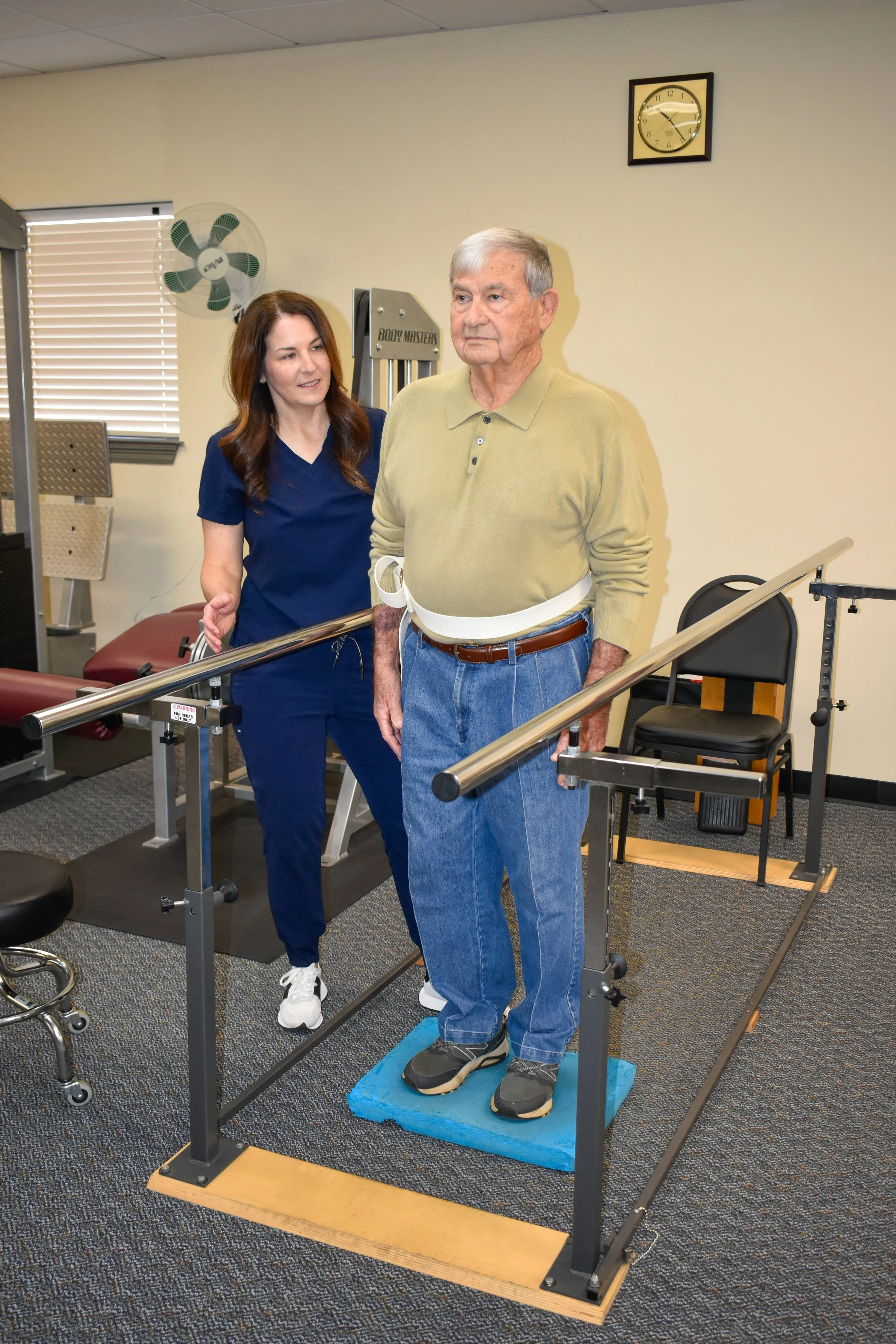
What Proprioception & Balance Training Helps With
Stability during walking and daily activity
Confidence with movement (especially after injury)
Joint control and coordination (common after ankle/ knee injuries)
Fall risk reduction (especially for older adults)
Return-to-sport readiness (cutting, landing, quick direction changes)
Physical therapy can play an important role in falls prevention and improving balance for recovery and long-term safety.
Why We Use It at Eastern Shore PT
Better balance is built—step by step—with training to match your goals and your real life.
Restore Joint Stability After Injury
Balance and proprioception exercises are commonly emphasized in rehab for ankle sprains and instability.
Support Return to Sport and Activity
We use progressive drills to rebuild control and confidence for the movements that matter to you (quick steps, uneven ground, directional changes).
Improve Walking Safety and Confidence
We train stability during standing, walking, turning, and stairs—so daily movement feels less risky.
Reduce Fall Risk
Falls are a major public health concern, and PT-focused balance training can be an important prevention tool.
Build Strength Where Balance Starts
Strong hips, legs, and core support better balance, especially as we age. CDC guidelines for older adults include activities to improve balance as part of weekly physical activity.
What to Expect
Your first visit typically includes:
Balance and stability screening (standing, walking, turning as appropriate)
Strength and mobility assessment (hips, legs, core, ankles)
Discussion of when you feel unsteady (stairs, uneven ground, fatigue, dizziness, etc.)
A clear plan with exercises matching your current ability
Ongoing visits may include:
Static and dynamic balance drills (with safe guarding)
Single-leg stability work (as appropriate)
Step-ups, stair practice, and gait training
Reaction and coordination drills (great for athletes and active adults)
Simple and realistic strategies
Who May Benefit
Proprioception and balance training may help if you:
Feel unsteady while walking or standing
Have a history of falls or fear of falling
Have recurring ankle sprains or a joint that “gives way”
Feel less stable after surgery or time off activity
Want to return to sport with better control and confidence
Physical therapists commonly help people of all ages improve balance, especially when balance issues increase fall risk.
Long-Term Recovery
Balance improvements come from consistency. Our goal is to help you build:
Strength and stability to support daily life
Confidence to move without hesitation
A plan you can continue after therapy ends
Practical strategies for safer movement at home, work, and in the community
Ready to get started?
Request an appointment today at one of our convenient locations in Daphne or Bay Minette.
DAPHNE CLINIC
6475 Van Buren St.
Daphne, AL 36526
Phone: 251-626-9052
Fax: 251-626-5384
Email: daphne@easternshore-pt.com
Monday: 8am – 5pm
Tuesday: By Appointment Only
Wednesday – Friday: 8am – 5pm
Saturday, Sunday: Closed
BAY MINETTE CLINIC
618 McMeans Ave.
Bay Minette, AL 36507
Phone: 251-937-4700
Fax: 251-937-4708
Email: bayminette@easternshore-pt.com
Monday – Thursday: 8am – 5pm
Friday: By Appointment Only
Saturday, Sunday: Closed